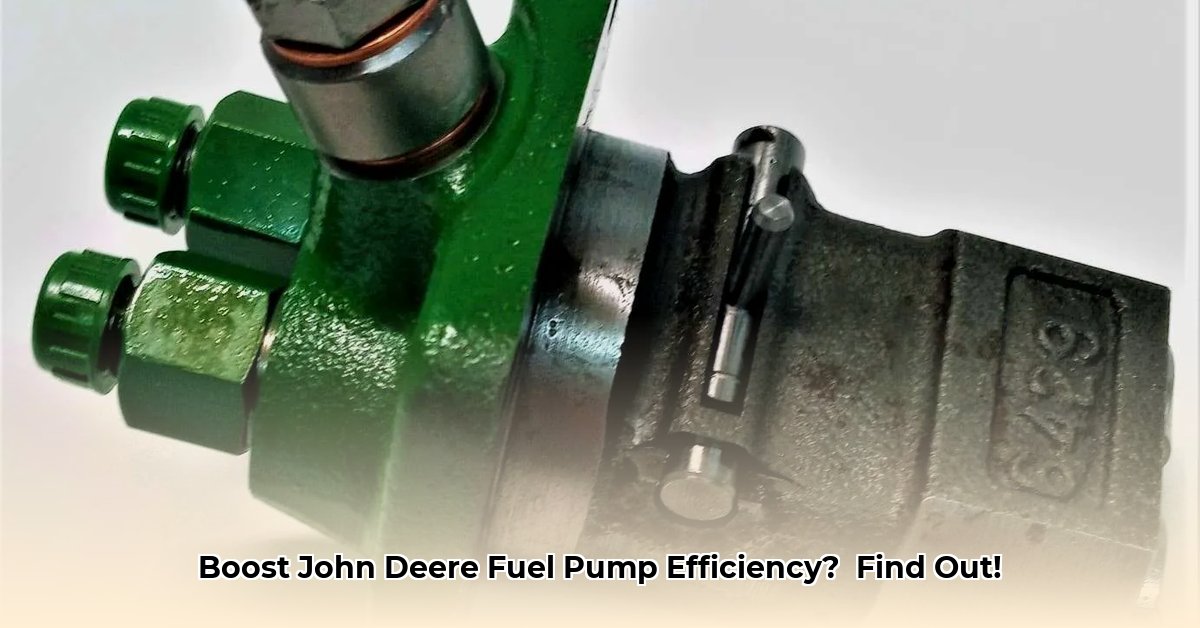
John Deere AM109212 Fuel Pump: A Deep Dive
Maintaining peak performance in your John Deere tractor hinges on reliable components, and the fuel pump is paramount. The AM109212 fuel pump, a key part in several John Deere models, plays a critical role in ensuring efficient and sustainable agricultural operations. This review explores its technical specifications, performance, sustainability impact, safety considerations, and comparisons with alternatives. We also offer actionable recommendations for farmers and other stakeholders. For comparisons with other brands, see this Mahindra fuel pump page.
Technical Specifications and Performance
The AM109212 fuel pump is engineered to provide a consistent fuel flow to your tractor's engine, maximizing power and efficiency. While detailed performance metrics like gallons per hour or pressure ratings aren't readily available from the manufacturer, its design promises robust build quality and straightforward installation. Independent testing would provide valuable data, allowing for a detailed comparison with competing fuel pumps. Such testing could reveal critical performance indicators to better inform purchase decisions. Wouldn't concrete performance data from independent sources be incredibly beneficial for farmers?
Sustainability and Environmental Impact
Beyond the immediate operational benefits, the AM109212 contributes significantly to sustainable farming practices. Improved fuel efficiency directly translates to lower fuel costs, benefiting both the farm's bottom line and the environment. Reduced fuel consumption also leads to lower greenhouse gas emissions, aligning with global efforts toward more environmentally responsible agriculture. How much fuel savings can be achieved by using the AM109212 compared to older fuel pumps? While specific data remains under active research, the potential environmental gains are substantial. The pump's durability also contributes to reduced waste, promoting long-term sustainability.
Health and Safety Considerations: Addressing the Warning
The "Cancer and Reproductive Harm" warning necessitates careful examination. This highlights the crucial need to fully understand the materials used in the AM109212's construction and their potential health implications. Transparency from John Deere and regulatory bodies is paramount to inform safe handling practices and mitigate potential risks for farm workers. What specific components trigger this warning? Further research to identify potential hazards and develop best practices is absolutely crucial.
Comparison with Alternatives
Direct comparisons with other fuel pumps, both from John Deere and competitors, are currently limited due to a lack of readily available comparative data. Independent assessments focusing on efficiency, reliability, and lifecycle costs are needed to establish a level playing field for informed decision-making. What key features differentiate the AM109212 from its competitors? Such comparisons would illuminate the AM109212's strengths and weaknesses compared to available alternatives.
Conclusion and Recommendations
The AM109212 fuel pump offers significant potential benefits for sustainable and efficient agriculture. However, further research, transparency, and proactive measures are essential.
Actionable Steps:
- Farmers: Implement regular preventative maintenance, including fuel filter checks and adherence to all safety guidelines. (Expected outcome: Extended pump lifespan and reduced health risks.)
- John Deere: Publish comprehensive performance data and transparent safety information, including initiating research to address safety concerns. (Expected outcome: Strengthened customer trust and improved product reputation.)
- Regulatory Agencies: Conduct thorough audits of materials used in fuel pumps and actively enforce safety regulations. (Expected outcome: Improved health and safety for agricultural workers.)
- Independent Researchers: Conduct comparative studies, including life-cycle assessments, publishing findings openly. (Expected outcome: Evidence-based recommendations for improved agricultural practices.)
The AM109212 presents a significant opportunity to enhance tractor efficiency and minimize environmental impact. A commitment to research, transparency, and responsible use by all stakeholders is key to realizing this potential fully.